
The word flourishing has become increasingly common in conversations about higher education. Universities speak of supporting flourishing students, flourishing researchers, and flourishing workplaces. Yet I often wonder whether we pause long enough to consider what flourishing actually means in academic life. Too easily, it becomes another aspirational term that everyone values, but few define. For me, flourishing has never meant the absence of challenge, disagreement, or uncertainty. Nor has it meant constant happiness or an academic career free from setbacks. Anyone who has spent time in academia knows that scholarship is inherently demanding. It requires intellectual courage, resilience, and a willingness to engage with criticism, ambiguity, and complexity. Rather than viewing these experiences as obstacles to flourishing, I have come to see them as part of it. The more important question is whether our academic environments create the conditions for people to navigate those challenges while continuing to learn, contribute, and develop throughout their careers.
This understanding has gradually shifted how I think about organizational culture. Too often, success in higher education is evaluated primarily by measurable outcomes such as publications, research income, citations, or institutional rankings. These achievements undoubtedly matter because they contribute to knowledge creation and demonstrate academic excellence. Yet they reveal relatively little about the conditions under which that excellence has been achieved. It is entirely possible for institutions to excel by conventional indicators while many of the people within them struggle with exhaustion, isolation, or a diminishing sense of purpose. Equally, I have encountered academic communities where people felt trusted, respected, and encouraged to collaborate, creating environments in which both individuals and scholarship seemed able to develop more fully. These experiences have led me to believe that flourishing should not be understood simply as an individual outcome. It is also a characteristic of organizational cultures that create opportunities for people and ideas to grow together over time.
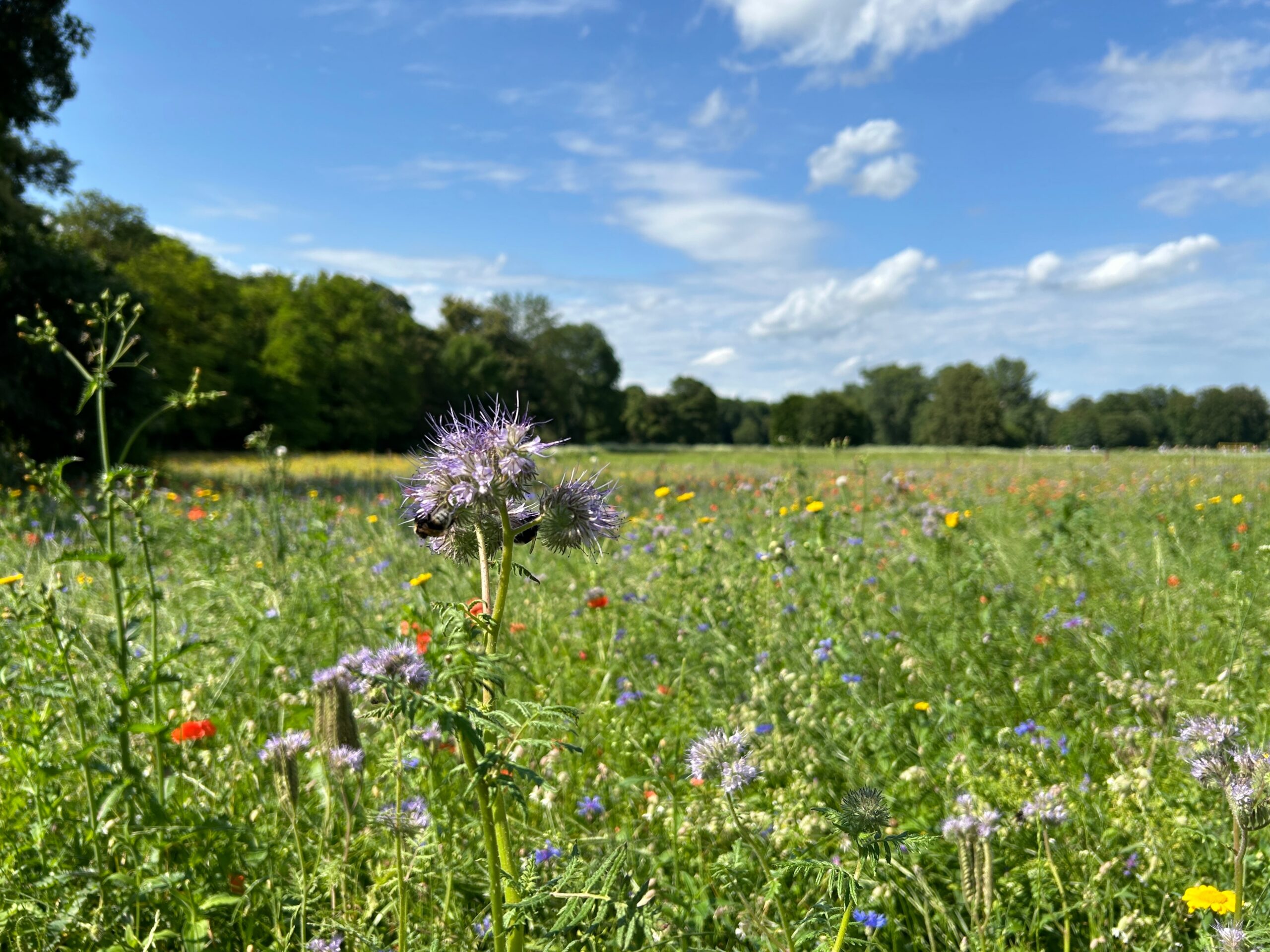
This perspective has become increasingly important within Positive Academia. When I speak about flourishing, I am not referring solely to individual well-being, although that is undoubtedly important. I am thinking more broadly about the conditions that enable people to contribute meaningfully to their academic communities while continuing to grow as scholars, educators, and colleagues. Flourishing emerges when people feel sufficiently trusted to ask difficult questions, sufficiently valued to contribute their perspectives, and sufficiently supported to learn from both success and failure. It develops through cultures that encourage curiosity rather than fear, collaboration rather than unnecessary competition, and purpose rather than mere productivity. Such cultures do not remove the demands of academic life; instead, they provide the relational foundations that enable people to engage with those demands in ways that strengthen rather than diminish them. Flourishing, therefore, is not the destination of organizational change. It is one way we recognize that positive organizational cultures are beginning to take root.
Perhaps this is why I continue to return to the language of cultivation. Flourishing cannot be mandated by institutional policy, nor can it be measured solely by performance indicators. Like organizational culture itself, it develops gradually through shared commitment, thoughtful leadership, and the countless everyday practices that communicate trust, respect, and belonging. It also requires us to move beyond asking how individuals can flourish despite their organizations and toward asking how our organizations can create the conditions in which people and scholarship flourish together. For me, this is one of the central aspirations of Positive Academia. It reminds us that the purpose of organizational change is not simply to improve institutional performance but to cultivate academic communities capable of enduring by investing in both human potential and scholarly excellence. Perhaps flourishing is ultimately less about what we achieve individually and more about the conditions we create together for future generations of academics to thrive.